

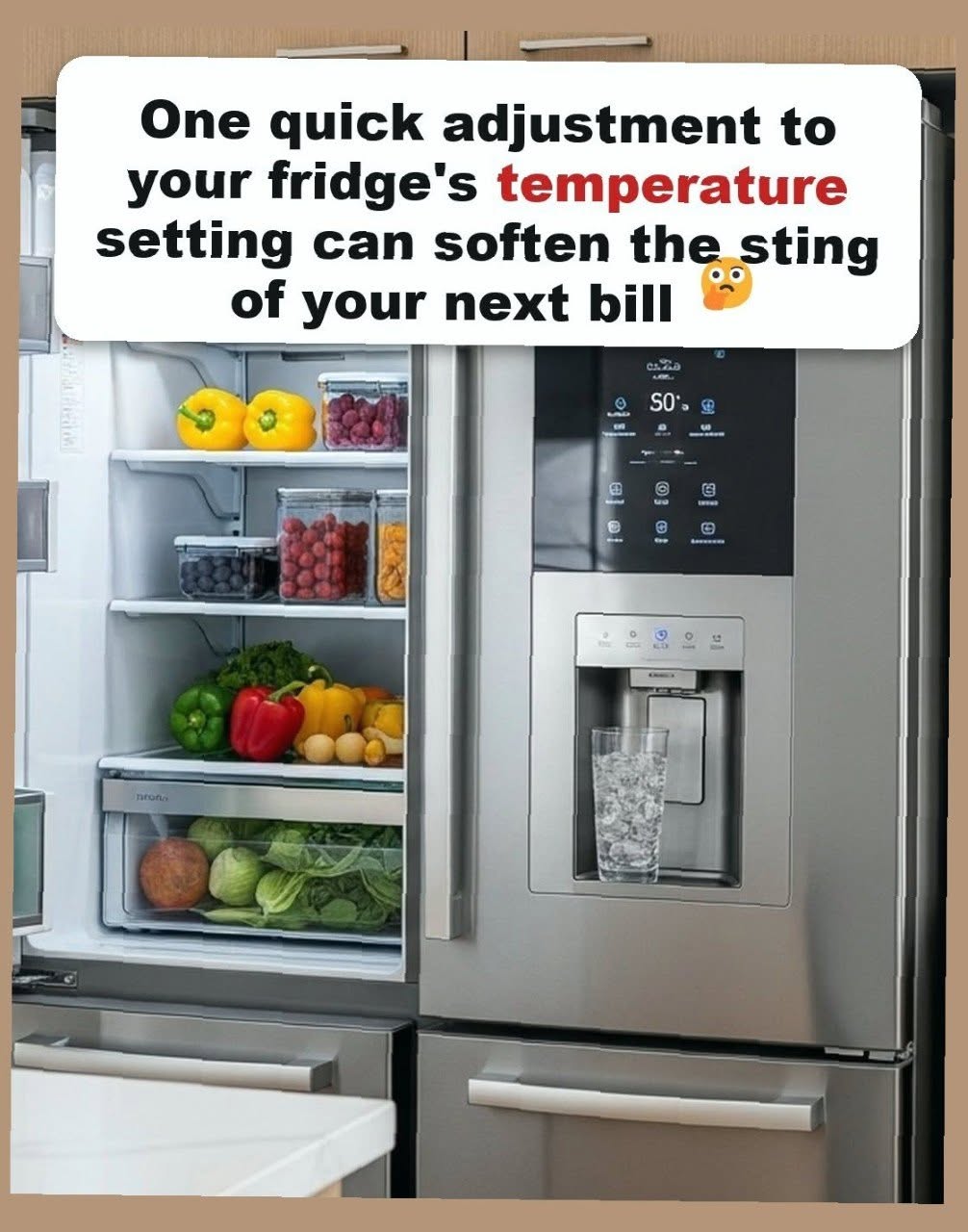
The refrigerator runs nonstop, all year, which makes it one of the biggest steady draws on a home’s electricity, and one of the easiest to fine-tune.
The Temperature That Actually Matters
Food safety guidance generally recommends keeping the fridge between 4°C and 7°C. Go above 7°C and bacteria multiply faster, risking quicker spoilage; drop below 4°C and you risk freezing things that shouldn’t freeze, along with wasting energy keeping things colder than necessary. The freezer, on the other hand, should stay steady at around -18°C year-round.
Adjusting With the Seasons
Just as the room around your fridge changes temperature through the year, so does how hard the compressor has to work. A simple seasonal tweak helps:
- In summer, when the kitchen runs warmer, nudge the setting down by about a degree to compensate.
- In winter, when the room is naturally cooler, raise it by about a degree, the fridge won’t need to work as hard to stay in range.
It’s a tiny adjustment, but multiplied across months of constant operation, it adds up on the bill.
Helping the Fridge Run Efficiently
- Keep it away from ovens, radiators, and direct sunlight, all of which force it to work harder.
- Leave a few centimeters of clearance around it for airflow.
- Let hot food cool before putting it inside.
- Keep the door closed as much as possible, every open door lets warm air rush in.
Where to Store What
Not every shelf sits at the same temperature. The top and door shelves run warmest, making them better suited to condiments, drinks, and ready-to-eat items. The middle holds a steady chill good for eggs and leftovers. The bottom
shelf is the coldest spot, ideal for raw meat and fish stored in sealed containers, while the crisper drawers keep the higher humidity fruits and vegetables need.
Matching food to the right zone, and dialing in the right temperature for the season, keeps things fresher while quietly easing the load on your electricity bill.