
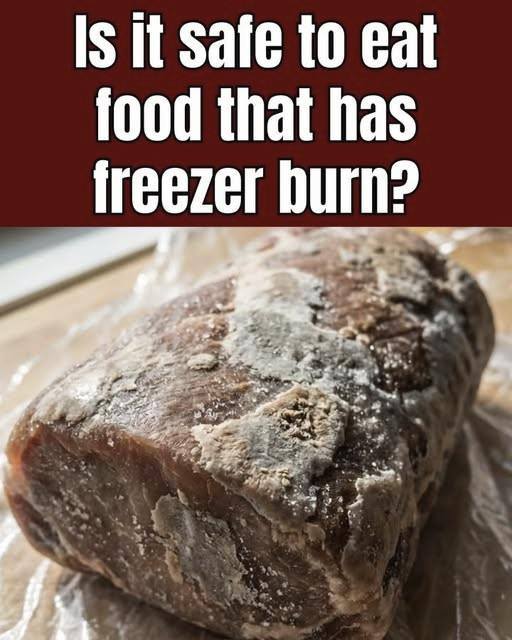
Time also matters. Even in a freezer, food doesn’t stay perfect forever. Ice crystals, dehydration, and oxidation gradually degrade quality. A steak that’s been frozen for a couple of months with some air exposure might just be slightly dry. The same steak after two years may be so damaged that it’s better left discarded, freezer burn or not.
What freezer burn really teaches is that packaging matters more than people think. Air is the enemy here. The more oxygen and moisture exposure food has before freezing, the more likely it is to degrade in texture over time. That’s why airtight containers, heavy-duty freezer bags, and vacuum sealing make such a big difference. Even simple steps like pressing air out of a bag or wrapping food tightly in plastic before freezing can dramatically reduce the problem.
Labeling also plays a surprisingly big role. Once frozen food becomes a collection of anonymous ice blocks, it’s easy for things to sit far longer than intended. A quick date on the bag helps keep rotation under control and reduces the chance of rediscovering mystery meat years later.
So where does that leave the original question?
Freezer-burned food is generally safe to eat as long as it was stored properly, kept frozen continuously, and shows no signs of spoilage after thawing. It may not taste great, but it won’t automatically make you sick just because it looks dried out or covered in ice crystals.
The decision ultimately comes down to three things: how it looks, how it smells, and how long it’s been stored. When those checks pass, it’s usually fine to cook and eat—especially if you’re working it into a dish that masks texture changes. When they don’t, it’s better to let it go.
Freezer burn is less about danger and more about quality loss. It’s a reminder that freezing preserves food, but it doesn’t freeze time perfectly.
To see the full cooking instructions, go to the next page or click the Open button (>) and don't forget to SHARE it with your friends on Facebook.