

the size of the shrimp
how it will be cooked
personal preference
cultural cooking practices
Smaller shrimp are often cooked without deveining because:
the vein is less noticeable
cleaning them takes more time than it’s worth
Larger shrimp, however, are more commonly deveined because:
the vein is more visible
it may contain more grit
In many cuisines around the world, shrimp are eaten with the vein still intact without any concern.
What Happens If You Eat It?
If you accidentally or intentionally eat the shrimp vein, here’s what typically happens:
Nothing harmful
No special digestion issues
No toxins released
No medical concerns in healthy individuals
Your digestive system processes it just like any other protein material.
At worst, you might notice:
a slight gritty texture
or a mild difference in taste
But for most people, it goes completely unnoticed when shrimp are properly cooked and seasoned.
Shrimp Anatomy in Simple Terms
To understand this better, it helps to look at shrimp structure:
A shrimp has:
an outer shell (exoskeleton)
muscle tissue (the edible part)
internal organs, including the digestive tract
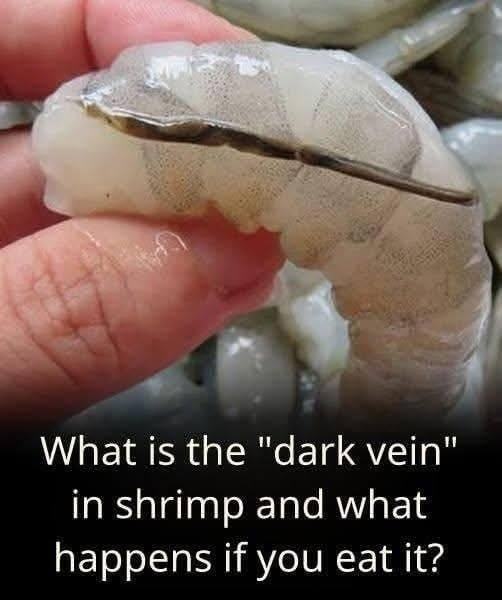
The “vein” sits along the back, just under the shell.
When people devein shrimp, they are simply removing that thin digestive line—not a blood vessel or nerve.
How Chefs Handle It
Professional chefs often handle shrimp differently depending on the dish.
In fine dining:
shrimp are almost always deveined
presentation is important
texture must be consistent
In casual or traditional cooking:
shrimp are often cooked whole
especially in stews, soups, or grilled dishes
flavor matters more than appearance
So there is no universal rule—it depends on style and context.
How to Devein Shrimp (If You Choose To)
If you decide to remove the vein at home, the process is simple:
Peel the shrimp (or leave shell on if preferred)
Use a small knife to make a shallow cut along the back
Locate the dark line
Lift it out gently with the knife tip or fingers
Rinse lightly if needed
Some stores even sell shrimp already deveined to save time.
Myths About the Shrimp Vein
Because shrimp are so widely eaten, several myths have developed around the “vein.”
Myth 1: It is a blood vessel
False. It is part of the digestive system.
Myth 2: It is toxic
False. It is not poisonous.
Myth 3: Eating it causes illness
False, in properly cooked shrimp.
Myth 4: It must always be removed
Not true. It is optional depending on preference.
Why This Question Became So Popular Online
Questions about shrimp veins often go viral because:
the dark line looks unpleasant to some people
food safety concerns spread quickly online
many people have never been taught what it actually is
visual appearance creates curiosity
In reality, it is one of those food topics that sounds alarming but is medically harmless in most situations.
The Bigger Picture: Food Anxiety vs Reality
Modern social media often exaggerates food concerns, making ordinary ingredients seem dangerous.
But food science usually comes down to simple facts:
where food comes from
how it is processed
and how it is cooked
The shrimp “vein” is a perfect example of how something natural can appear concerning, even when it is not harmful.
Final Thoughts
The dark line in shrimp is not a vein in the traditional sense—it is the digestive tract of the shrimp.
It may contain digested food and sometimes appears dark, but it is not dangerous to eat when the shrimp is properly cooked.
Removing it is entirely optional and mostly done for:
appearance
texture
and personal preference
So the next time you see that thin line, there’s no need to worry.
It is simply a normal part of the shrimp’s anatomy—not something harmful hiding in your food.
To see the full cooking instructions, go to the next page or click the Open button (>) and don't forget to SHARE it with your friends on Facebook.