
On a lot of summer evenings, once the sun dropped low enough and the yard cooled off a little, the fireflies started blinking on and off across the grass like the whole lawn had come alive. Catching them usually meant cupping both hands together fast, or making a running leap toward a blink that had already gone dark by the time you landed.
The Science Behind The Glow
Fireflies produce light through a chemical reaction called bioluminescence, combining a compound called luciferin with oxygen inside specialized cells in their lower abdomen. Each species has its own flash pattern, which is actually how fireflies find and recognize potential mates in the dark. That means the blinking pattern you watched as a kid wasn’t random at all. It was a very specific, species-level signal happening right in your own backyard.
Why The Jar Mattered
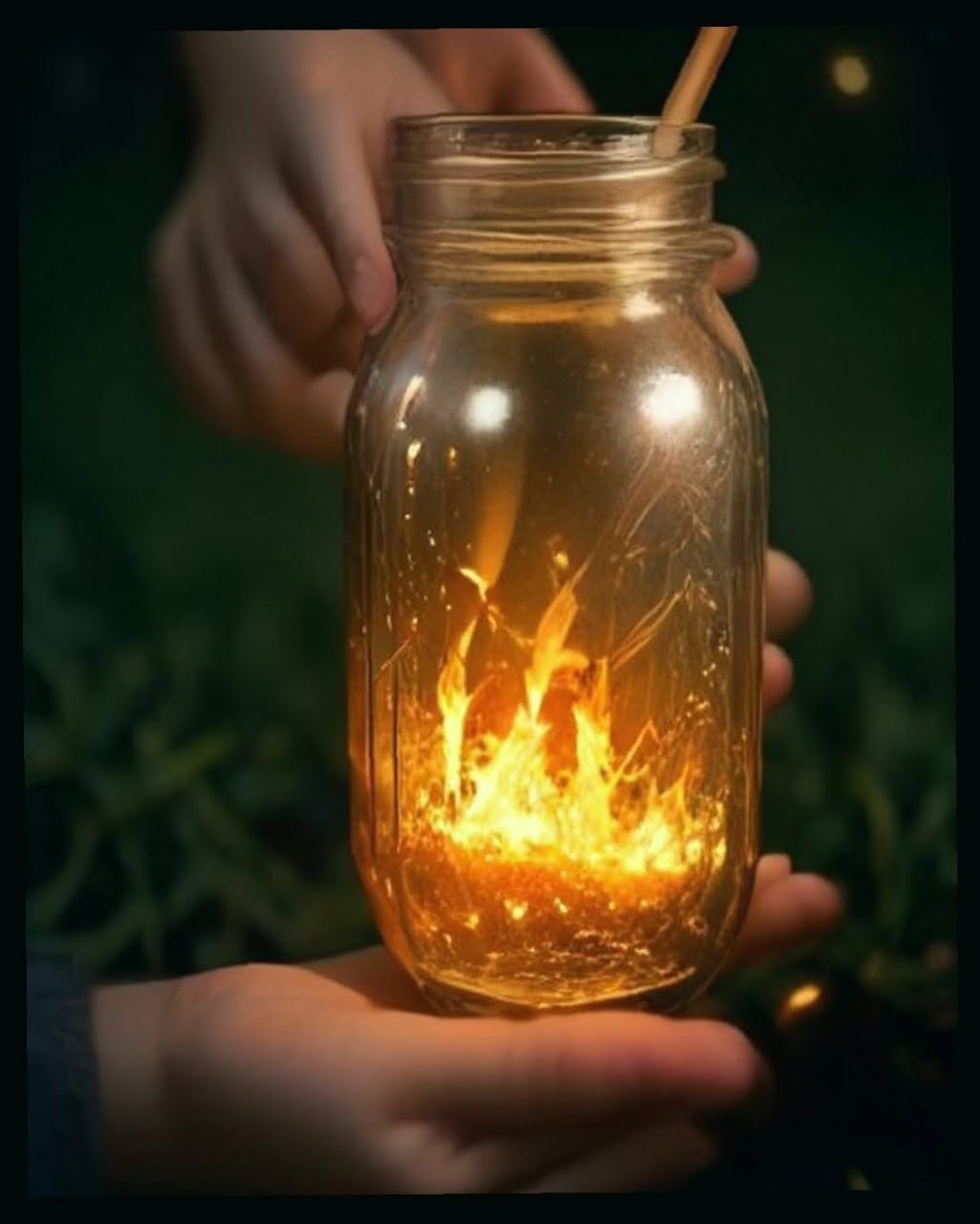
A mason jar with holes punched in the lid became the standard way to hold onto a few fireflies for a while without hurting them, giving kids a homemade nightlight for a few minutes before it was time to go inside. Most families had an unspoken rule about letting them go afterward, since fireflies don’t survive long in a sealed jar and kids were generally taught to release them before bed. That small act of catching, watching, and letting go became its own kind of ritual, repeated night after night for as long as summer lasted.
Firefly populations have declined in a number of regions in recent decades, due to a combination of habitat loss, pesticide use, and increased artificial light disrupting their mating signals. Some areas that used to have thick clouds of them on a summer night now see only a scattered few. It’s made the memory of a whole yard blinking at once feel a little more special than it did at the time.
Do you still see fireflies where you live, or has that summer light show faded where you grew up?