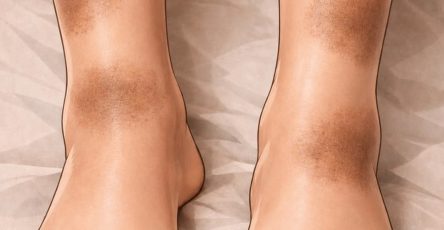

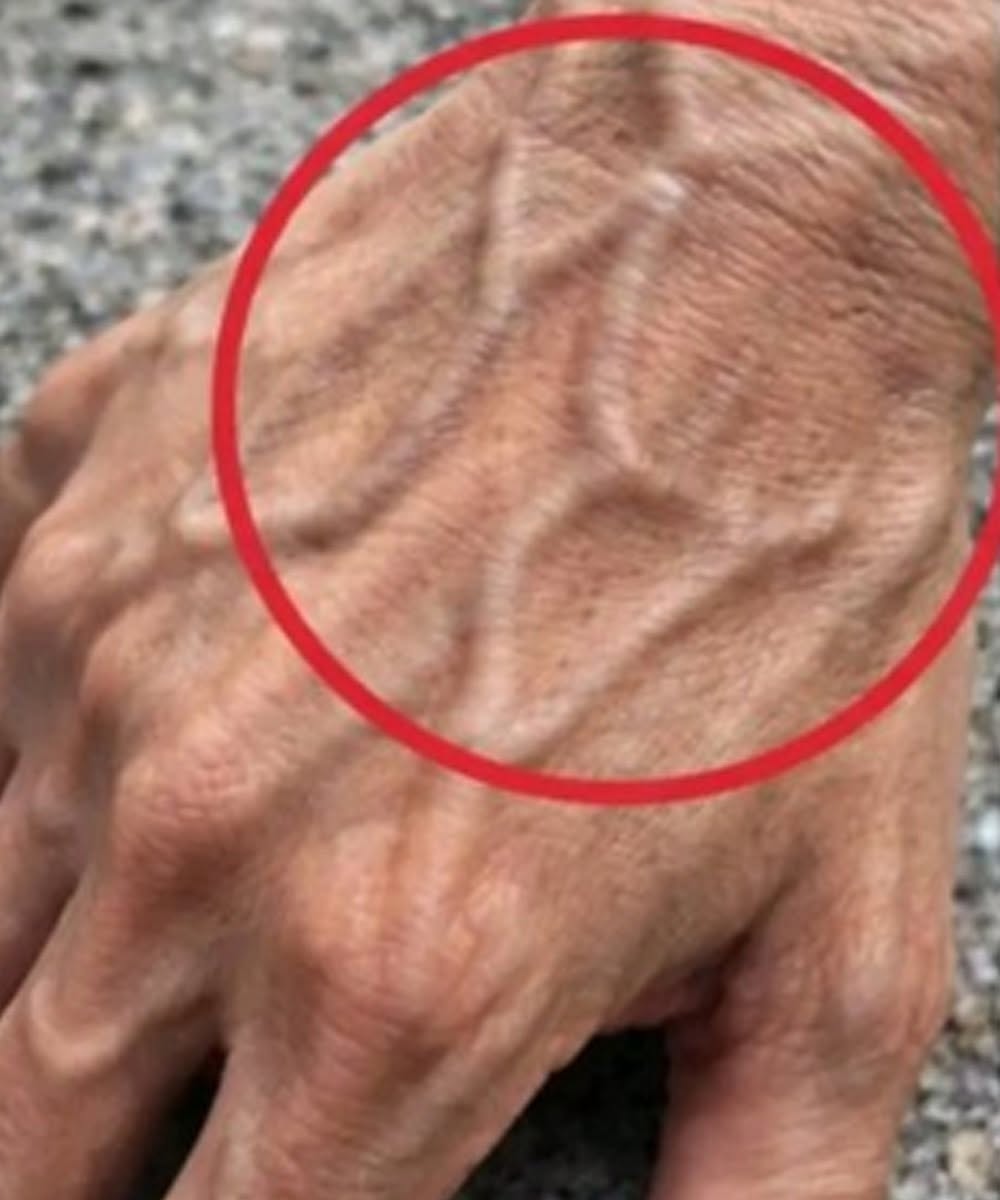
Dark blue or purple veins that are raised or bulging.
A burning, itching, or throbbing sensation around the veins.
Cramps or fatigue in the affected limb.
Risk factors include genetic predisposition, pregnancy, obesity, and prolonged standing.
3. Deep vein thrombosis (DVT)
DVT is a serious condition in which a blood clot forms in a deep vein, usually in the leg or thigh. Although the clot is not always visible, some cases can lead to prominent or bulging veins on the surface due to blocked blood flow.
Warning signs include:
Sudden swelling in one leg.
Pain or tenderness, often starting in the calf.
Red or warm skin. Deep vein
thrombosis (DVT) is potentially life-threatening because a blood clot can travel to the lungs (pulmonary embolism). Immediate medical attention is required.
4. Congestive heart failure (CHF)
When the heart cannot pump blood effectively, pressure builds up in the veins, leading to swelling and visible veins, particularly in the neck, hands, or legs.
Other signs include:
Shortness of breath,
fatigue and weakness,
swelling in the legs, ankles, or feet.
Heart failure is a chronic condition that requires ongoing medical care. If you have visible veins and symptoms of heart failure, consult your doctor as soon as possible.
5. Peripheral Vascular Disease (PVD)
PVD is a condition in which narrowed blood vessels reduce blood flow to the limbs. Although primarily the arteries are affected, changes in venous circulation can also cause visible veins, as the body compensates for this by rerouting the blood through smaller vessels.
Possible symptoms:
Tired, painful legs,
numbness or cold extremities,
slow-healing wounds, or skin discoloration.
Peripheral vascular disease (PVD) is often related to atherosclerosis and can increase the risk of a heart attack or stroke.
When should you consult a doctor?
Although visible veins are often harmless – especially if they have developed gradually over time – sudden changes in appearance, pain, or swelling should not be ignored. If you notice the following:
A limb that suddenly shows more veins than the other,
painful or throbbing veins,
skin discoloration, or wounds that do not heal
… it is wise to consult a doctor. Early detection of vascular problems can prevent more serious complications in the long term.
Finally:
your veins do more than just transport blood; they can also transmit important warning signals. Pay close attention to what your body is trying to tell you. Veins that suddenly become visible could very well be a sign that your body is asking for help.