
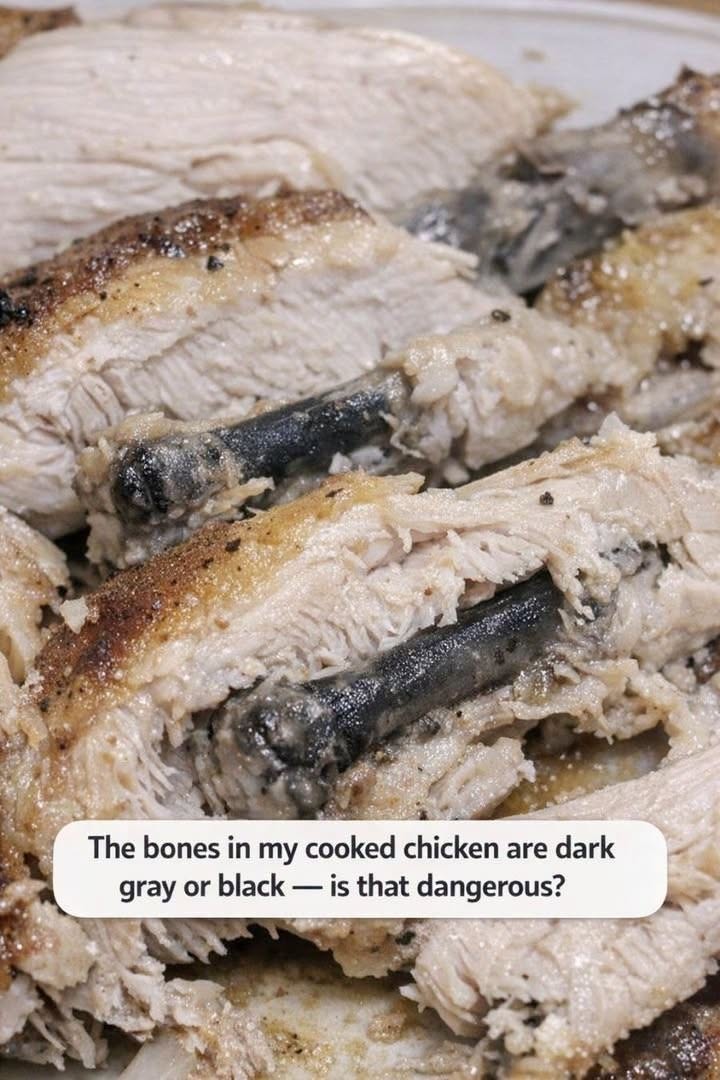
7. Visual, Smell, and Texture Checks to Tell Safe Chicken from Spoiled
Visual checks involve looking for any unusual colors in the meat itself, such as green or iridescent hues, which can indicate spoilage. The smell is another critical factor; fresh chicken should have a mild, neutral scent. Any sour or sulfur-like odors suggest the chicken is no longer fresh.
Texture is also important. Fresh chicken should be firm to the touch and not sticky or slimy. If any of these signs are present, it is best to err on the side of caution and not consume the chicken.
8. Cooking Techniques That Reduce Dark or Bloody-Looking Bones
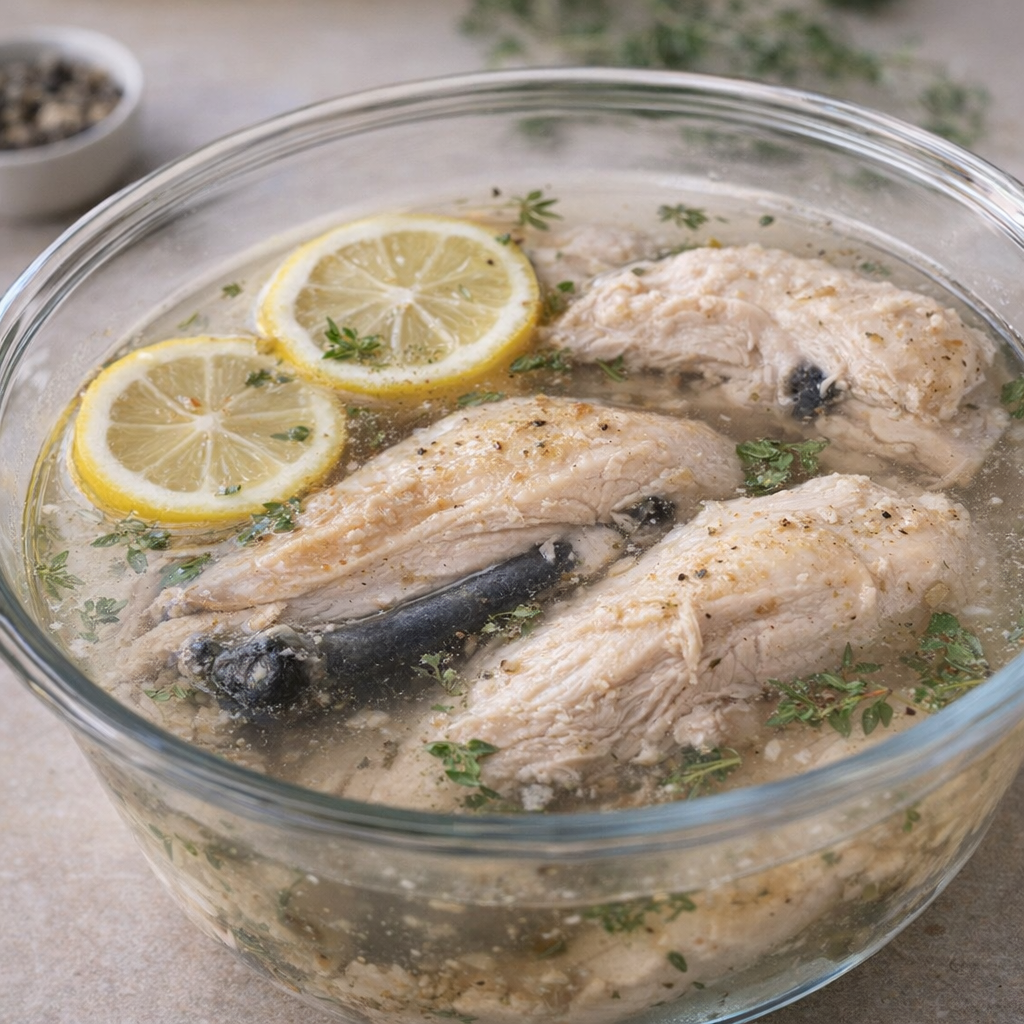
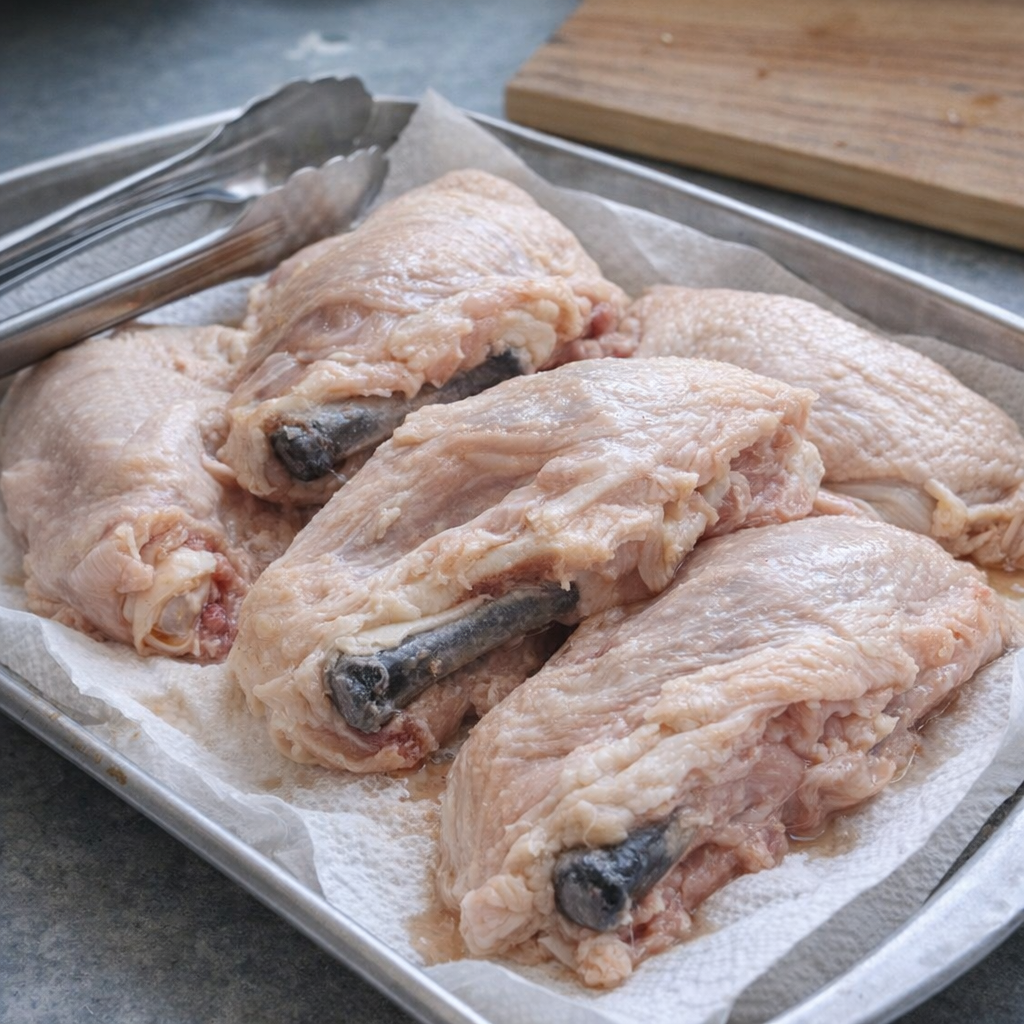
Certain cooking techniques can minimize the appearance of dark or bloody-looking bones. Pre-soaking chicken in a brine solution can help draw out excess blood from the bones, reducing discoloration. Slow cooking methods, such as braising, can also help reduce the appearance of dark bones by allowing the marrow to cook thoroughly.
Additionally, ensuring the chicken is thoroughly thawed before cooking can prevent uneven heating, which sometimes leads to darker bones. Using a meat thermometer to confirm the correct internal temperature ensures the chicken is cooked safely.