
Textiles& Nonwovens
The Silent Household Danger That Could Cost You Everything (And How to Protect Your Home Tonight)
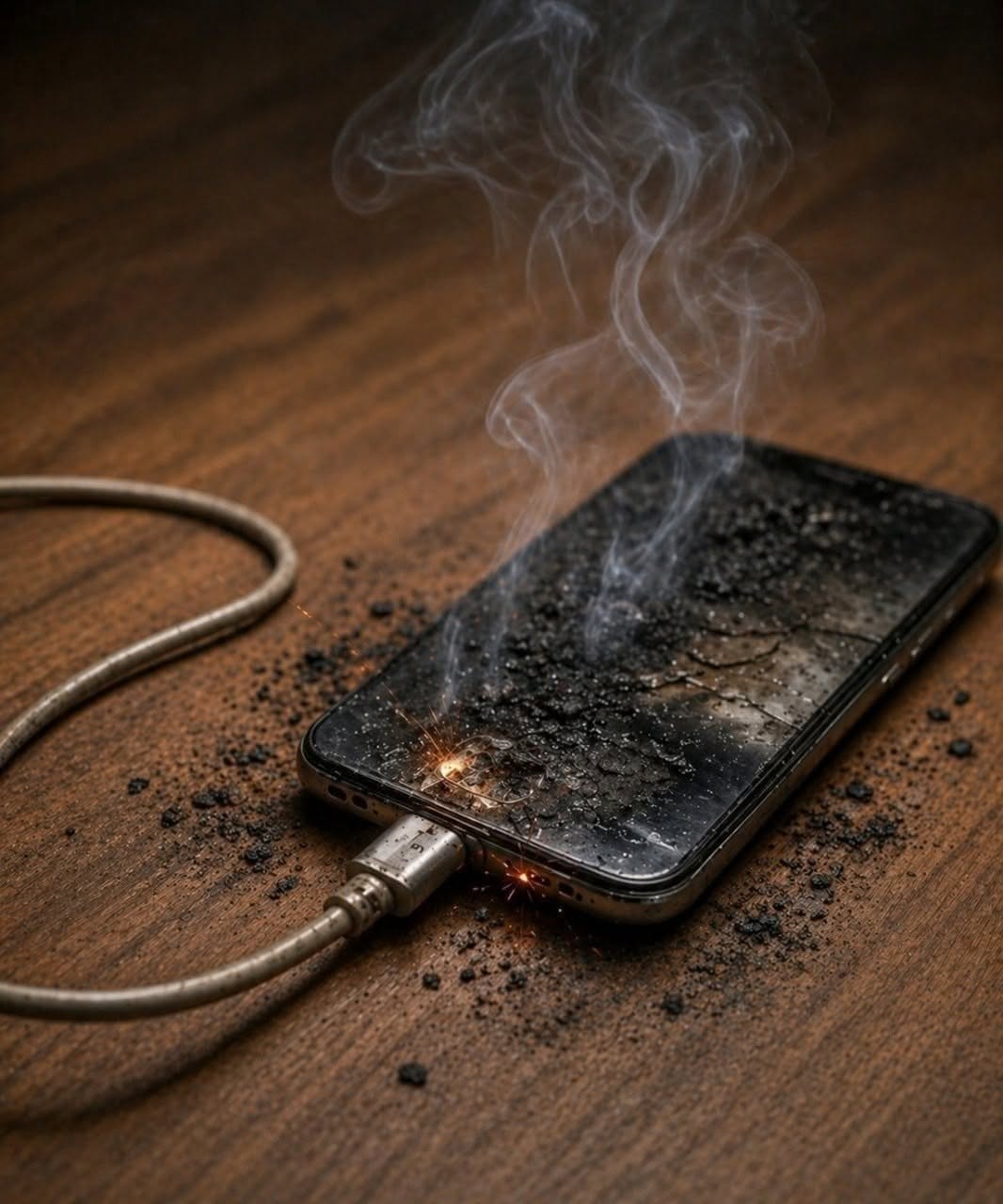
Why it matters: Soft surfaces trap heat. When a device or charger can’t dissipate heat properly, temperatures can rise to dangerous levels. Lithium-ion batteries—used in most modern devices—are particularly sensitive to overheating.
 What to do:
- Charge devices on hard, flat, non-flammable surfaces (nightstands, desks, countertops)
- Keep charging areas clear of bedding, clothing, papers, or other combustibles
- Avoid covering devices with blankets or pillows while charging
4. Overloading Power Strips and Outlets
That power strip under your desk with the phone charger, laptop, lamp, and space heater all plugged in? It might be working harder than you think.
Why it matters: Every outlet and power strip has a maximum load. Exceeding it can cause:
- Overheating of wires and outlets
- Tripped breakers (a warning sign, but not foolproof)
- In extreme cases, electrical fires
What to do:-
- Know the wattage limits of your power strips and outlets
- Avoid “daisy-chaining” power strips (plugging one into another)
- Use surge-protected power strips for electronics, and don’t overload them
- Unplug devices you’re not actively using
5. Charging Overnight Unattended
Leaving devices to charge while you sleep isn’t inherently dangerous—but it does remove your ability to respond if something goes wrong.
Why it matters: If a charger overheats or a battery malfunctions, early detection is critical. While you’re asleep, small issues can escalate before you’re aware.
What to do:- Charge devices earlier in the evening when you’re awake and nearby
- Use smart plugs with timers to limit charging time
- Consider charging in a less critical area (like the kitchen) overnight
- Install smoke detectors near sleeping areas and test them monthly
6. Using Devices While Charging
Scrolling, gaming, or video-calling while your phone is plugged in might feel convenient—but it adds stress to the battery.
Why it matters: Using a device while charging generates extra heat. Combined with the heat from charging itself, this can:
-
- Accelerate battery degradation
- Increase the risk of overheating in rare cases
- Reduce the overall lifespan of your device
What to do:- Let your device charge undisturbed when possible
- If you must use it while charging, keep sessions short and monitor for unusual warmth
- Remove thick cases during charging to improve heat dissipation
 Simple Safety Habits That Make a Big Difference
You don’t need to overhaul your life to charge more safely. Small, consistent habits create meaningful protection:
 The “Hard Surface” Rule: Always charge on a hard, flat, non-flammable surface. Make it a non-negotiable habit. The “One Cord, One Outlet” Check: Before plugging in, glance at your power strip. Is it crowded? Could one device wait? The “Monthly Cable Audit”: Once a month, quickly inspect all your charging cables. Replace any that show wear. The “Bedtime Boundary”: Keep charging stations away from beds and upholstered furniture. A nightstand is perfect; a pillow is not. The “Certified Only” Policy: When in doubt, choose certified equipment. Your safety is worth the small extra cost.
 Warning Signs to Never Ignore
If you notice any of these, unplug the device immediately and discontinue use:
 Unusual warmth: The charger or device feels hot to the touch (warm is normal; hot is not) Burning smell: Any acrid, plastic, or electrical odor near a charging device Discoloration: Darkening, melting, or warping of the charger, cable, or outlet Sparks or popping sounds: Even small sparks warrant immediate attention Device swelling: A bulging battery is a serious hazard—handle with care and seek professional disposal
If you see smoke or flame: Unplug if safe to do so, evacuate, and call emergency services immediately.
 Frequently Asked Questions
Are wireless chargers safer than wired ones?
Both can be safe when used properly. Wireless chargers generate heat, so follow the same rules: hard surfaces, certified equipment, and avoid covering while charging.
Both can be safe when used properly. Wireless chargers generate heat, so follow the same rules: hard surfaces, certified equipment, and avoid covering while charging.
Is it okay to use a charger from a different brand?
Yes—if it’s certified (UL, CE, FCC) and matches your device’s voltage/amperage requirements. When in doubt, stick with the manufacturer’s charger or a reputable third-party brand.
Yes—if it’s certified (UL, CE, FCC) and matches your device’s voltage/amperage requirements. When in doubt, stick with the manufacturer’s charger or a reputable third-party brand.
Can I charge my phone in the car safely?
Yes, but use a quality car charger (not the cheapest option) and avoid leaving devices charging in a hot car for extended periods.
Yes, but use a quality car charger (not the cheapest option) and avoid leaving devices charging in a hot car for extended periods.
What about public charging stations?
Be cautious. “Juice jacking” (data theft via charging ports) is a real risk. Use your own cable + USB power adapter instead of plugging directly into public USB ports.
Be cautious. “Juice jacking” (data theft via charging ports) is a real risk. Use your own cable + USB power adapter instead of plugging directly into public USB ports.
How often should I replace chargers and cables?
There’s no fixed timeline, but inspect regularly. Replace at the first sign of wear, damage, or performance issues. Even undamaged cables can degrade internally over time.
There’s no fixed timeline, but inspect regularly. Replace at the first sign of wear, damage, or performance issues. Even undamaged cables can degrade internally over time.
Does fast charging damage batteries or increase risk?
Modern fast-charging technology is generally safe when used with certified equipment. However, it does generate more heat—so follow all the same safety practices, and avoid fast-charging on soft surfaces.
Modern fast-charging technology is generally safe when used with certified equipment. However, it does generate more heat—so follow all the same safety practices, and avoid fast-charging on soft surfaces.
 A Gentle Reminder: Safety Is an Act of Love
I know this information can feel heavy. But here’s the truth:
You don’t need to live in fear. You just need to be aware.
Most charging incidents are preventable with simple, mindful habits. You’re already taking the most important step by learning.
And if you share your home with others—children, partners, aging parents, or pets—these small choices become acts of care. Protecting your space isn’t about perfection. It’s about progress.
Your Turn: What’s One Change You’ll Make Tonight?
I’d love to hear from you.
 Did any of these risks surprise you? Is there a charging habit you’re ready to change? Do you have a safety tip that’s worked for your household?
Drop a comment below and share your story. And if you think a friend or family member might appreciate this gentle reminder, please pass it along. Sometimes, the smallest awareness creates the biggest protection.
Electronics& Electrical
Here’s to safe homes, peaceful nights, and the quiet confidence that comes from caring for the people and places we love. 
To see the full cooking instructions, go to the next page or click the Open button (>) and don't forget to SHARE it with your friends on Facebook.