

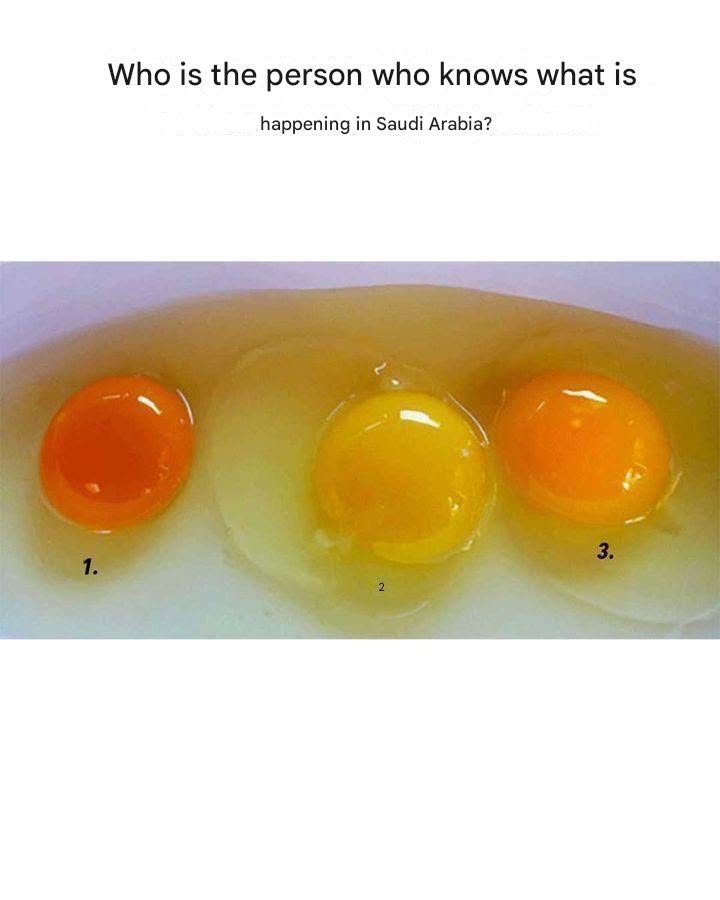
The color of an egg yolk can vary from pale yellow to deep orange, but a darker yolk does not automatically mean that the egg is more nutritious. Yolk color is influenced mainly by the hen’s diet, particularly the amount and type of natural pigments such as carotenoids in the feed.
Free-Range Eggs – Type 1
Eggs from free-range hens can have yolks ranging from pale yellow to deep orange, depending on what the hens eat. A varied diet that includes grains, plants, and other feed sources can influence yolk color.
However, yolk color alone is not a reliable measure of nutritional quality. Two eggs with different yolk colors can have broadly similar nutritional profiles, while differences in farming systems may affect certain nutrients.
Cage Eggs – Type 2
Hens raised in conventional housing systems may receive diets based largely on grains such as wheat and barley. Depending on the feed formulation, this can result in a paler yolk.
A pale yolk does not mean that an egg is unhealthy or that it contains significantly fewer nutrients. The nutritional composition of an egg depends on factors such as the hen’s diet, breed, age, and other aspects of production.
Eggs From Different Production Systems
Eggs sold in supermarkets can come from hens raised under different housing and feeding systems. Labels such as cage, barn, free-range, or pasture-raised describe aspects of how the hens are kept, but they do not guarantee a particular yolk color or a specific nutritional value.
Some specialty feeds are also formulated to produce darker yolks by increasing the amount of carotenoid-rich ingredients in the hens’ diet. This means yolk color can be influenced intentionally without necessarily indicating a major difference in overall nutrition.
The shade of the yolk can be interesting to compare, but the real nutritional differences are more complicated than color alone suggests.