
Free-Range and Pasture-Raised Eggs
Eggs from hens with access to outdoor areas may differ nutritionally from eggs produced under other systems, although the magnitude of these differences can vary. Research has found that factors such as feed composition and access to forage can influence levels of certain nutrients, including omega-3 fatty acids and carotenoids.
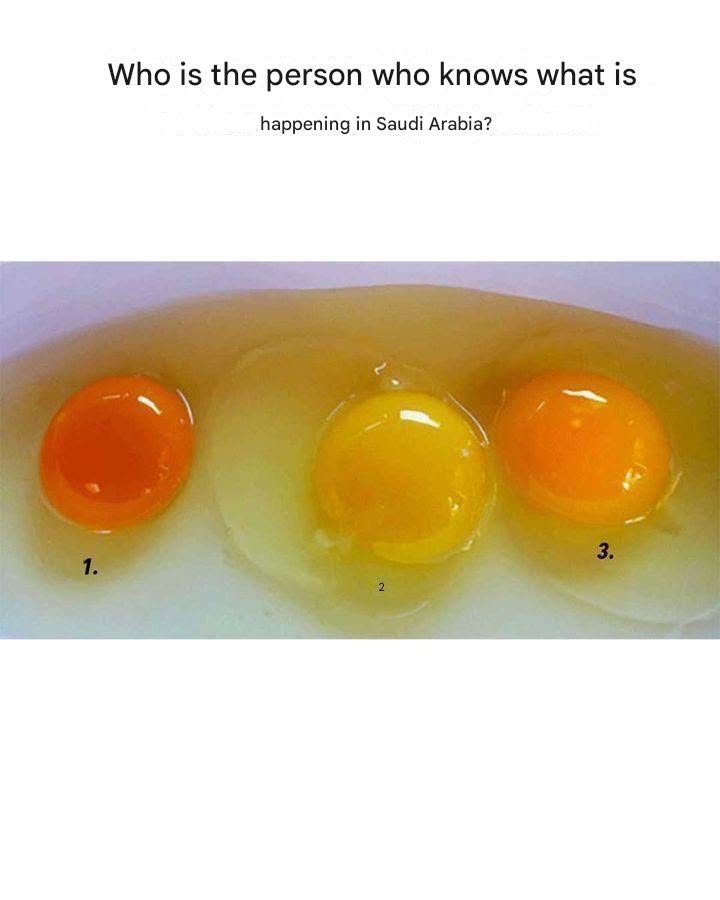
Hens that consume more green plants and other carotenoid-rich foods may produce eggs with darker yolks. These pigments include compounds such as lutein and zeaxanthin, which are naturally present in egg yolks and are of nutritional interest.
Claims that free-range eggs always contain substantially more vitamin A and vitamin E, or much less saturated fat and cholesterol, should be treated cautiously because results vary among studies and production systems.
Does a Darker Yolk Mean a Healthier Egg?
Not necessarily. A darker yolk can indicate that the hen consumed more pigment-rich feed, but it cannot by itself tell you how much protein, vitamin D, vitamin B12, omega-3 fatty acids, or other nutrients are present.
If nutrition is your priority, look beyond yolk color and consider the labeling, the type of feed used when disclosed, and the overall dietary pattern in which the eggs are consumed.
What Really Matters When Choosing Eggs?
Different consumers may prioritize different factors, including price, animal-welfare standards, farming practices, local sourcing, and nutritional characteristics.
Free-range or pasture-raised eggs may appeal to people who value outdoor access for hens, while other shoppers may prioritize affordability or specific nutritional features. No single yolk color should be treated as proof that one egg is universally superior to every other egg.
Conclusion
Yolk color is largely a reflection of the hen’s diet and the pigments in her feed. A darker orange yolk can be visually appealing and may indicate a diet rich in carotenoids, but it does not automatically mean that the egg contains substantially more nutrients.
Rather than judging an egg solely by the color of its yolk, consider the production method, dietary information when available, food-safety practices, and your own nutritional and personal priorities.